Emergency Dentist Care for Infections That Cause Bad Breath and Pain
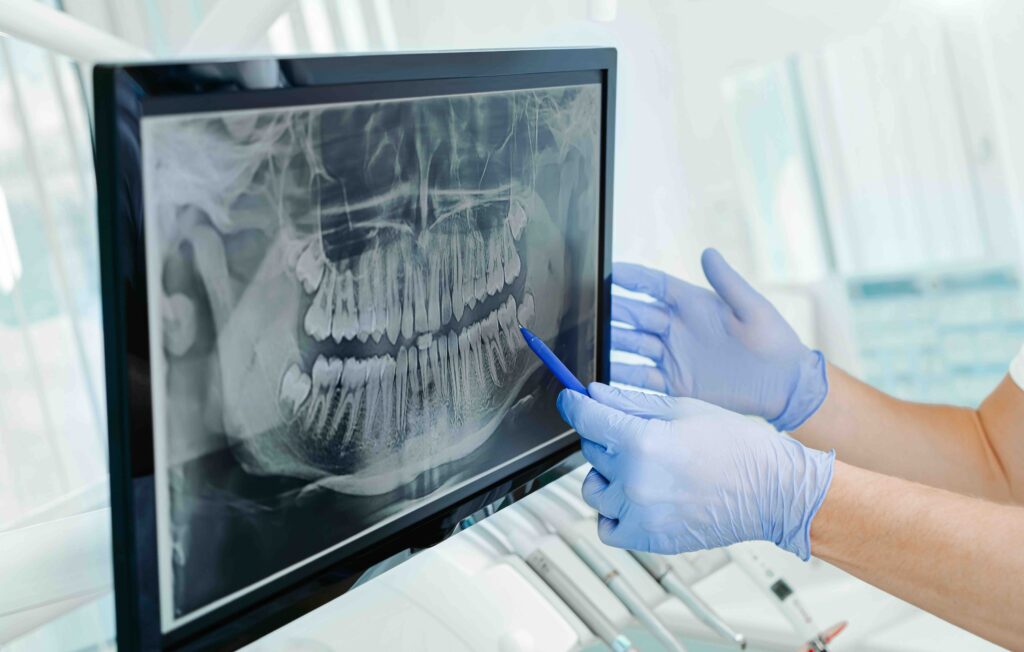

Bad breath that seems to come from deep in the mouth, especially when it arrives with throbbing pain, swelling, or a bad taste, is not just a hygiene problem. In many cases, it is a warning sign of infection. That distinction matters. Mouthwash can mask odor for an hour or two. It cannot drain an abscess, treat a dying nerve, or stop a spreading dental infection.
This is where an Emergency Dentist plays a critical role. Dental infections have a way of escalating at inconvenient times, late in the evening, over a weekend, before a trip, or on the exact day you thought you could not possibly miss work. Patients often wait longer than they should because they hope the smell will fade, the tooth will settle down, or the pain will stay manageable with over the counter medication. Sometimes that happens briefly. Then the pressure builds again, the breath gets worse, chewing becomes difficult, and the pain starts waking them at night.
When bad breath and pain appear together, the problem often lies below the surface. It may be a deep cavity that has reached the pulp, a cracked tooth that has allowed bacteria inside, an infected wisdom tooth, or a gum infection trapping debris and pus around the tooth. The right response is not guesswork. It is prompt professional care.
Why infection changes the picture
Ordinary bad breath has many causes. Dry mouth, certain foods, smoking, and poor brushing habits are common ones. Those issues can be uncomfortable and embarrassing, but they usually do not come with sharp pain, facial swelling, tenderness when biting, or a foul taste that seems to leak from one area. Infection does.
Once bacteria move into the deeper structures of a tooth or the surrounding gum tissue, the body reacts with inflammation. Pressure rises inside the tooth or around the root. That pressure can cause anything from a dull ache to severe, pulsing pain. If pus forms, the odor can be striking, sometimes metallic, sour, or unmistakably rotten. Patients often describe it as a smell they notice even after brushing, flossing, rinsing, and scraping their tongue.
A simple example comes up often in emergency visits. Someone has had a cavity for months, maybe longer. It has not hurt much, so it drops down the priority list. Then a few days of sensitivity to cold turn into pain with hot drinks, then pain when lying down, then a bad taste and obvious smell. At that stage, the nerve may be infected or dead, and bacteria may be draining through the tooth or gum. The breath changes because the problem has changed.
The common dental infections behind bad breath and pain
An abscessed tooth is one of the most frequent causes. This can happen when decay reaches the pulp chamber and infects the nerve tissue, or when a crack gives bacteria a pathway into the center of the tooth. The infection may stay confined for a while, then spread through the root tip into the surrounding bone and soft tissue. Patients often report severe tenderness when biting, pain that radiates toward the jaw or ear, and an odor that seems to come from one side of the mouth.
Gum infections can smell just as bad. Advanced periodontal disease creates pockets between the teeth and gums where bacteria thrive. Food and bacteria collect in those spaces, tissue breaks down, and persistent odor develops. If a periodontal abscess forms, the area may feel swollen, sore to the touch, and painful when chewing. The breath odor in these cases often Emergency Dentist lingers even after brushing because the source sits under the gumline.
Partially erupted wisdom teeth are another common culprit. When the flap of gum over a wisdom tooth traps bacteria and debris, the result can be pericoronitis, an infection marked by pain, swelling, a foul taste, and breath that quickly becomes noticeable. Patients sometimes feel it most when swallowing or opening wide. Because the area is hard to reach and keep clean, symptoms can flare fast.
Even a failed dental restoration can be involved. A leaking crown, a deep pocket under an old filling, or decay beneath a bridge can harbor bacteria out of sight. Some people are surprised when an apparently intact tooth turns out to be infected underneath. The odor can be one of the first clues.
Signs that call for same day or urgent attention
Not every painful tooth requires a midnight call, but some symptoms should move the issue out of the wait and see category. The combination of pain and bad breath already raises concern. Add swelling or fever, and the need for urgent care becomes much clearer.
Here are the situations that deserve prompt contact with an Emergency Dentist:
- Visible swelling in the gum, jaw, or face
- A pimple like bump on the gum that drains fluid or pus
- Fever, chills, or feeling generally unwell along with dental pain
- Difficulty swallowing, opening the mouth, or breathing comfortably
- Tooth pain that is severe, keeps you awake, or is not controlled with standard pain medicine
These are not subtle findings. They suggest an infection that may be active and progressing. Facial swelling, especially if it is spreading, should not be ignored. Dental infections begin in the mouth, but they do not always stay there.
What an Emergency Dentist looks for
Emergency dental care is not simply about handing out antibiotics or telling someone to rinse with salt water. A proper evaluation aims to identify the source, judge the severity, and decide whether the tooth can be saved or should be removed.
The first clues come from the story. How long has the pain been there. Does it worsen with hot or cold. Is biting the main trigger. Is there a bad taste, drainage, or swelling. Does the smell improve temporarily after cleaning, then come right back. These details help narrow the cause.
The examination often includes tapping on the tooth, checking the gums, looking for mobility, and assessing nearby teeth for referred pain. X rays are usually necessary because many dental infections are not obvious from the surface. A root tip infection, bone loss from gum disease, decay under a crown, or an impacted wisdom tooth often reveals itself more clearly on imaging than in a mirror.
The treatment plan depends on what the dentist finds. A tooth with a restorable structure and an infected pulp may need root canal Emergency Dentist therapy, either started the same day or arranged urgently. A tooth that is fractured beyond repair or too compromised by infection may need extraction. A gum abscess may require drainage and deep cleaning. An infected wisdom tooth may need immediate management of the active infection, followed by referral or extraction once the area calms down.
Antibiotics sometimes help, but they are not the treatment by themselves. That point is worth stressing. Antibiotics can reduce bacterial spread in certain situations, especially when swelling, fever, or diffuse infection is present. They do not remove infected nerve tissue, close a crack, or eliminate the pocket where bacteria are hiding. When symptoms improve after antibiotics alone, patients can get a false sense that the problem is gone. It often returns because the source remains.
Why the breath smells so bad
Patients can feel embarrassed bringing this up, but dentists hear it all the time. Infection related odor is usually caused by bacterial byproducts, tissue breakdown, trapped debris, or draining pus. That is why the smell tends to be persistent and resistant to normal cleaning.
In a tooth abscess, the infected space may release fluid that seeps into the mouth. In gum disease, bacteria deep in the pockets produce volatile sulfur compounds and other foul smelling substances. Around a partially erupted wisdom tooth, food and bacteria become trapped under the gum flap and start to break down. A person can brush thoroughly and still notice the odor because the source is inaccessible without treatment.
There is also an important practical point here. If someone close to you notices the smell before you do, that does not mean the problem is mild. People often become nose blind to chronic odors. By the time a spouse, coworker, or teenager says, gently or not so gently, that your breath smells infected, the issue may have been brewing for a while.
Pain patterns that point toward infection
Dental pain has personality. It is not random. A short zing with cold that disappears quickly may suggest sensitivity or an early cavity. Lingering pain after heat or cold, especially if it throbs or worsens when lying down, raises concern for pulp inflammation or infection. Pain on biting can indicate pressure around the root, a crack, or an abscess. A constant ache with swelling in the gum often points more toward localized infection.
One of the more misleading situations is when a tooth hurts badly for a few days, then the pain suddenly drops. Patients sometimes think the problem fixed itself. In reality, the nerve may have died. The pressure may briefly shift, or the tooth may begin draining through the gum. That can reduce the sharp pain while the infection remains active, and the breath often becomes noticeably worse around this stage.
Children and older adults may present differently. Kids may simply avoid chewing on one side, wake up irritable, or complain that food tastes bad. Older adults, particularly those with dry mouth from medication, may have more advanced decay before severe pain appears. In both groups, family members may notice bad breath first.
What to do before you can be seen
Home care has limits, but a few steps can reduce irritation and help you get through the hours before treatment. The goal is comfort and damage control, not self treatment.
If you are waiting for an urgent dental appointment, focus on the basics:
- Rinse gently with warm salt water a few times through the day
- Keep the area as clean as possible with careful brushing and flossing, unless flossing sharply increases pain in a swollen site
- Use over the counter pain relief as directed on the label, if you normally tolerate those medicines
- Avoid very hot, very cold, hard, or sugary foods that intensify symptoms
- Sleep with your head slightly elevated if throbbing worsens when lying flat
A cold compress on the outside of the cheek can help with comfort if there is swelling. Do not place aspirin directly on the gum. That old home remedy can burn the tissue and create a second problem. Do not attempt to lance a swollen area on your own. It rarely goes well.
If you have been prescribed antibiotics previously for the same tooth, do not restart leftovers without speaking to a dentist or physician. The wrong antibiotic, the wrong dose, or a partially completed course can muddy the picture without solving the infection.
Treatment options, and how dentists choose between them
Many patients arrive asking one direct question, can you save the tooth or does it need to come out. The answer depends on structure, not just pain. A severely infected tooth can often be saved if enough healthy tooth remains and the crack pattern is favorable. A mildly painful tooth may still be hopeless if it is split below the gumline or has extensive decay that extends too far.
Root canal treatment is often the tooth saving option for infections inside the pulp. The infected tissue is removed, the canals are disinfected and sealed, and the tooth is later restored, often with a crown if substantial structure has been lost. This route makes sense when the tooth is important for function, can be predictably restored, and the surrounding bone support is adequate.
Extraction becomes the better choice when the tooth is not restorable, gum support is poor, the crack extends deep, or the patient prefers removal based on cost, long term predictability, or repeated prior problems. There is no one size fits all answer. A back molar that has already had root canal treatment, a large crown, and recurrent decay under the margin may not be the best candidate for another heroic attempt. By contrast, a front tooth with a new infection in an otherwise healthy mouth may be well worth saving.
Drainage, when possible, can provide rapid relief because it reduces pressure. For a localized gum abscess, cleaning and drainage may improve pain much faster than medication alone. For a swelling related to a tooth abscess, definitive treatment is still needed after the immediate pressure is addressed.
The role of antibiotics, and their limits
Antibiotics are useful, but they are often misunderstood. They are generally considered when there is swelling, fever, spreading infection, or a clear risk that the infection is moving beyond the tooth itself. They can support treatment, especially when drainage or immediate definitive care is not fully possible in that moment.
Still, an antibiotic does not sterilize a dead tooth. Blood flow inside a necrotic pulp is compromised or absent, which is one reason source control matters so much. If the infected tissue remains inside the tooth, symptoms often return after the medication stops. That is why dentists emphasize follow through. Feeling better after two days does not mean the infection is cured.
This is also why recurring bad breath tied to the same tooth or same gum area should not be brushed off. Repeated temporary improvement is a pattern, and patterns matter in diagnosis.
When the problem is not just the tooth
Sometimes patients come in convinced they need a filling or an extraction, and the dentist finds a broader issue. Chronic gum disease can create diffuse bad breath and soreness that is not coming from a single tooth. Dry mouth from medications can worsen bacterial growth and accelerate decay. Mouth breathing at night can dry tissues and intensify odor. Diabetes, smoking, and immunosuppressive conditions can make infections more stubborn and healing slower.
That does not make the complaint less urgent. It simply means the treatment may need to address more than one factor. Managing the immediate infection is the first step. Preventing repeat episodes may involve periodontal care, saliva support, changes in home hygiene technique, replacement of old restorations, or coordination with a physician when medication side effects are contributing to dry mouth.
Cost, timing, and practical decisions
Emergency dental visits are stressful partly because pain forces quick decisions. When infection is involved, timing matters more than perfect scheduling. Waiting several days to compare every possible option is rarely ideal if swelling and odor are increasing.
A same day evaluation typically saves money in the long run because it narrows the problem quickly. Patients who wait often end up needing more extensive treatment. A cavity that might have been addressed with a filling can progress to root canal treatment, crown, or extraction. A minor wisdom tooth flare can become a full infection with swelling and time off work. In real practice, delay is often the expensive choice.
There are trade offs. Extracting a painful tooth may bring the fastest resolution in some cases, but replacing that tooth later with a bridge, partial, or implant has its own cost and timeline. Saving the tooth with root canal treatment may cost more upfront yet preserve chewing function and avoid shifting teeth. The right choice depends on the condition of the tooth, the rest of the mouth, budget, and long term priorities.
Preventing the next emergency
The frustrating part about infection related bad breath is that it rarely appears out of nowhere. Most cases have an earlier chapter, sensitivity that lingered, bleeding gums that were ignored, food trapping around a wisdom tooth, a crown that kept catching floss, a cavity that had been visible for months. Prevention is less glamorous than emergency relief, but it works.
Consistent hygiene matters, of course, but technique and access matter too. A person can brush twice a day and still miss a deep pocket behind a molar or under a gum flap near a wisdom tooth. Regular exams help because X rays catch what a toothbrush cannot. Early treatment of decay, management of gum disease, and timely attention to broken fillings or cracked teeth reduce the odds of infection taking hold.
People with dry mouth need a more deliberate strategy. Saliva protects teeth and soft tissues. When medications, medical conditions, or age reduce saliva flow, decay can progress quickly and odor can become more persistent. More frequent cleanings, fluoride support, and careful home care make a real difference here.
The point at which you should stop waiting
If bad breath is persistent and clearly linked to one painful area, that is enough reason to make a call. If there is swelling, drainage, fever, or trouble swallowing, it is more than enough. Dental infections do not earn points for toughness. Waiting to see if the smell fades or the pain settles often means giving the infection more time.
An Emergency Dentist is there for exactly this kind of problem, not only broken teeth and knocked out fillings, but also the less visible emergencies that start with odor, pressure, and pain. The sooner the source is identified, the more options you usually have. That often means less treatment, less disruption, and far less misery than trying to outlast an infection at home.